Hand-drawn Mandala Decor
Hand-drawn mandalas have long been a symbol of spiritual depth and artistic expression. When combined with ethnic motifs from Islamic, Arabic, Indian, Ottoman, and Oriental traditions, these intricate designs become powerful tools for creativity, design, and storytelling. This unique blend of cultural heritage and visual artistry offers something special—rich patterns that are both timeless and versatile.
What Makes Ethnic Hand-drawn Mandalas Unique
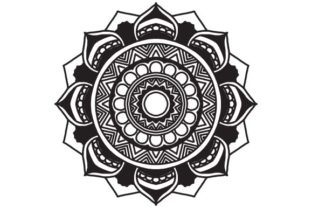
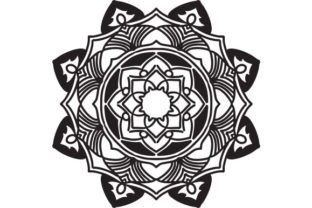
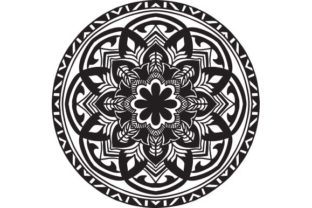
Mandala ethnic decorative hand-drawn illustrations are more than just beautiful visuals. They are deeply rooted in cultural symbolism and historical context. These designs often feature monochrome contour lines, which emphasize the structure and flow of each element. The use of black ink on white backgrounds gives them a clean, elegant look that is ideal for both digital and print applications.
These illustrations draw inspiration from traditional art forms such as Zentangle, vintage engravings, and hand-drawn vector art. Their intricate patterns and geometric shapes can be traced back to ancient civilizations, making them not only visually compelling but also historically significant.
Why Designers Love Hand-drawn Mandalas
Designers across various industries find value in using hand-drawn mandalas for their versatility and aesthetic appeal. Whether you're working on branding, packaging, or website graphics, these elements add a layer of sophistication and cultural richness. Their ability to adapt to different formats makes them especially useful for creators who want to maintain a consistent visual identity across multiple platforms.
The simplicity of monochrome contour mandalas also allows for easy customization. You can scale them up or down, change the background, or even incorporate other design elements without losing their core essence. This flexibility makes them an excellent choice for those looking to experiment with new styles or expand their creative toolkit.
Creative Applications of Mandala Ethnic Decor
From digital illustrations to physical prints, mandala ethnic decorative hand-drawn elements offer endless possibilities. Here are a few practical uses:
- Branding & Logo Design: Use mandalas as central motifs in logos or brand identities to convey elegance and cultural depth.
- Interior Design: Incorporate these designs into wall art, textiles, or furniture to create a calming and culturally rich environment.
- Print Media: Apply them to book covers, magazine layouts, or packaging to enhance visual appeal and storytelling.
- Digital Content: Integrate mandalas into social media posts, blogs, or presentations to add a touch of artistry and authenticity.
- Art Projects: Use them as templates for coloring, sketching, or further artistic development.
Each application benefits from the clarity and precision of hand-drawn vector illustrations. These files are available in formats like Adobe Illustrator AI CC and Encapsulated Postscript EPS, ensuring high-quality output for both professional and personal use.
How to Adapt Mandalas for Different Goals
Whether you're targeting a niche market or a broader audience, mandala ethnic decorative hand-drawn elements can be tailored to fit your needs. For example:
- For Educators: Create educational materials or visual aids that combine cultural history with artistic learning.
- For Marketers: Use these designs in campaigns that celebrate diversity, craftsmanship, and tradition.
- For Entrepreneurs: Develop products like stationery, greeting cards, or home décor that resonate with culturally conscious consumers.
- For Hobbyists: Explore mandalas as a form of meditation, journaling, or creative therapy.
- For Freelancers: Offer these designs as customizable assets to clients looking for unique and meaningful visuals.
By understanding your target audience and purpose, you can effectively leverage these elements to create content that is both engaging and impactful.
Practical Tips for Using Mandala Ethnic Decor
To make the most of mandala ethnic decorative hand-drawn illustrations, consider the following tips:
- Keep it simple: Start with basic outlines and gradually add complexity as needed.
- Experiment with combinations: Pair mandalas with other design elements to create dynamic compositions.
- Focus on quality: Use high-resolution vector files to ensure crisp, scalable results.
- Respect the culture: Understand the meaning behind each motif to avoid misinterpretation or appropriation.
- Stay organized: Maintain a clear file structure and naming system to streamline your workflow.
These strategies help ensure that your final designs are not only visually appealing but also thoughtful and well-executed.
Realistic Examples and Inspiration
Consider how mandala ethnic decorative hand-drawn elements could be used in real-world scenarios:
- A boutique selling handmade crafts might use these designs in packaging and promotional materials.
- A blog focused on cultural art could feature mandalas as part of its visual storytelling.
- An online course on traditional art might include these illustrations as teaching tools.
- A small business owner could incorporate them into branded merchandise or signage.
- A designer working on a luxury project might use them to add a sense of refinement and depth.
Each of these examples demonstrates how mandalas can be adapted to suit different goals while maintaining their artistic integrity.
Conclusion
Mandala ethnic decorative hand-drawn illustrations offer a unique blend of cultural heritage and artistic innovation. Whether you're a designer, educator, marketer, or hobbyist, these elements provide a versatile and meaningful way to express creativity. By understanding their origins, exploring their applications, and adapting them to your specific needs, you can unlock new levels of inspiration and impact.